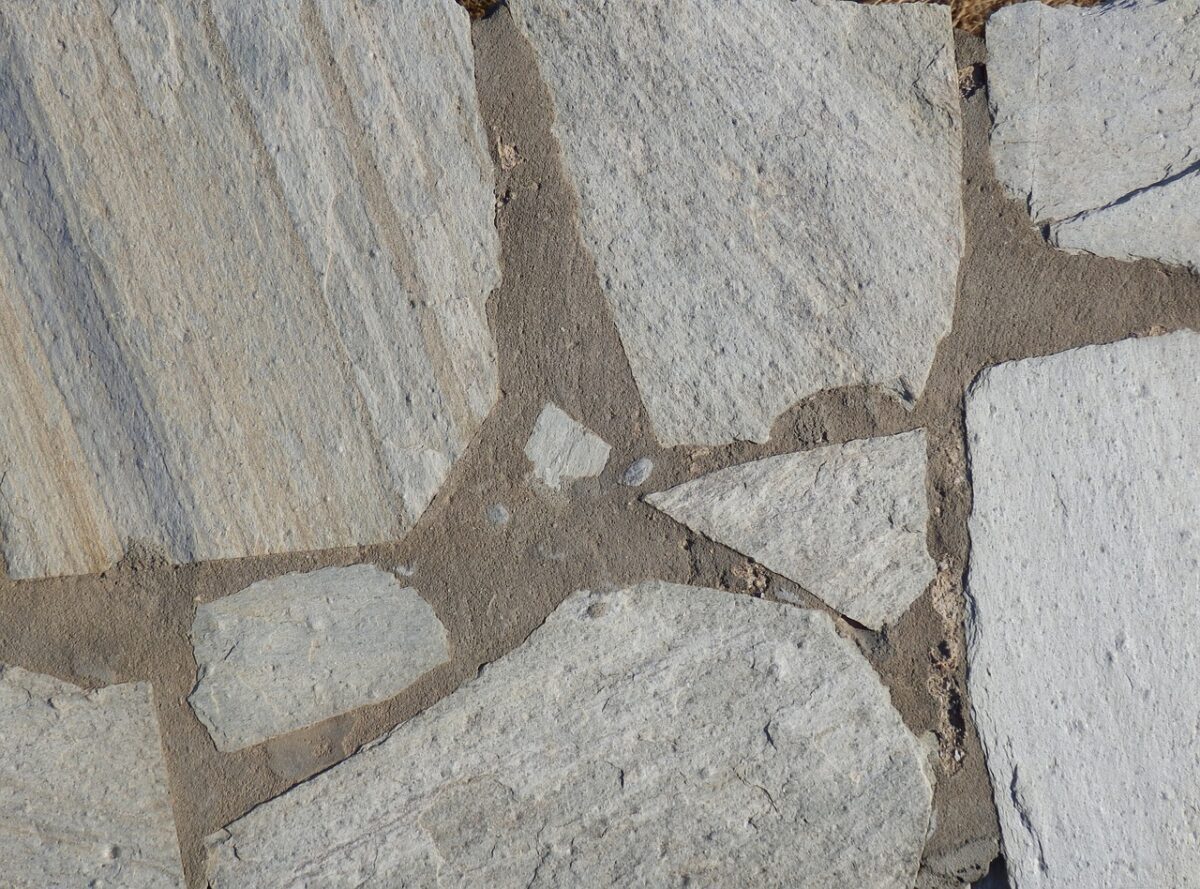
Travertine is a natural stone often used in construction and decoration. Its beauty and durability make it a sought-after material in many interior and exterior design projects. Discover everything you need to know about this unique limestone.
Origin and formation of travertine
Travertine is a sedimentary rock formed by the precipitation of calcium carbonate. It is generally found near hot springs, such as geysers or thermal springs. This formation gives travertine a porous texture and warm tones ranging from beige to brown.
Characteristics and properties of travertine
Travertine is valued for its robustness and resistance to the elements. Its surface can be polished, brushed, honed, or aged to create different visual effects. The natural stone paving is a common use of travertine, offering both aesthetics and durability.
Travertine is widely used in construction for covering floors, walls, and facades. Its versatility makes it a popular choice for kitchens, bathrooms, and outdoor spaces. Additionally, travertine is also used in sculpture and the creation of artworks, thanks to its ease of being sculpted and shaped.
Maintenance and precautions to take with travertine
Travertine requires regular maintenance to preserve its natural beauty. It is recommended to use gentle, non-abrasive products for cleaning. Furthermore, it is important to seal the travertine to protect it from stains and moisture. By following these precautions, your natural stone paving will retain its luster for many years.
Travertine is a natural stone with remarkable aesthetic and technical qualities. Its versatility and durability make it a preferred material for many architectural projects. By opting for natural stone paving, you combine aesthetics with durability, resulting in an elegant and lasting outcome.