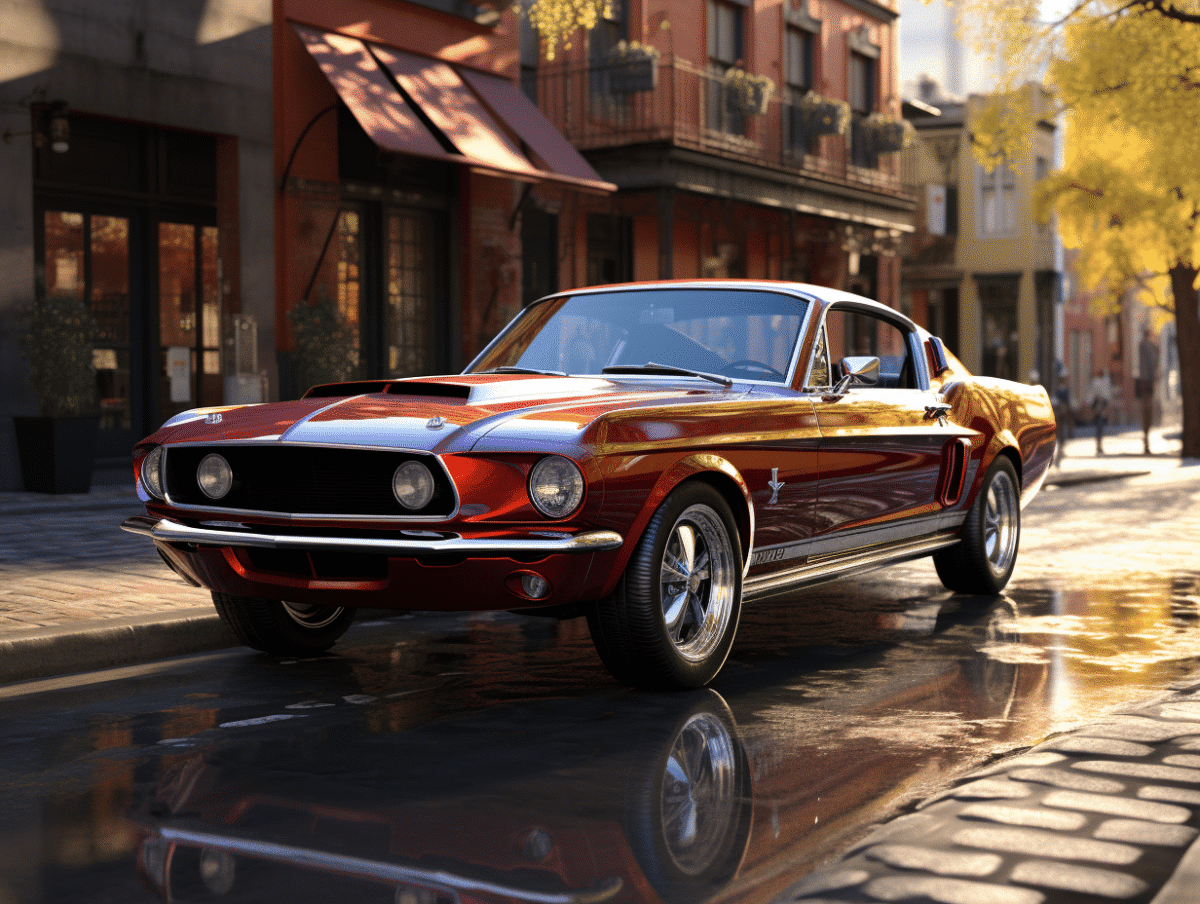
The nostalgia for classic cars with their retro charm and the appeal of advanced technologies in modern models fuel a passionate debate among car enthusiasts. Vehicles of the past evoke an era where design was as important as functionality, where every curve and every chrome reflected a unique identity. In contrast, contemporary cars embody innovation, performance, and sustainability, with meticulous attention paid to energy efficiency and connectivity. Between the distinctive purr of a classic engine and the revolutionary silence of an electric motor, these two automotive worlds offer diametrically opposed driving experiences.
Performance comparison: classic cars vs. modern ones
The automotive sector is evolving at a dizzying pace, pitting classic cars against their modern descendants in a performance showdown. Vehicles of yesteryear, with their simple mechanics and often more economical repairs, charm with their ability to appreciate over time. These models, true icons of their creation era, continue to attract attention and make collectors’ hearts race. They are often criticized for their high fuel consumption and significant environmental impact in terms of pollution.
On the opposite side, the modern car shines with its technological advancements. Enhanced safety, improved comfort, and cutting-edge onboard technologies define these models, which also boast low fuel consumption and are more environmentally friendly. The concept of ‘Automobile Référence’ takes on its full meaning when discussing these vehicles that embody progress. However, their electronic complexity can lead to costly specialized repairs and rapid depreciation in the used market.
In terms of cost, when considering the initial purchase price, modern cars may seem expensive. Their fuel economy in the long term and the reduced maintenance costs, thanks to technologies like electric or hybrid engines, significantly lighten the bill. In contrast, classic cars, despite potentially lower acquisition costs, burden the budget with their consumption and the frequent need for repairs, although these may be less expensive due to simpler mechanics.
The time value of cars is also a factor to consider. Classic vehicles, if well maintained, can become true treasures for collectors, with their market value increasing over time. Modern cars, on the other hand, often experience rapid depreciation as soon as they leave the dealership, although certain brands and models, such as those from Peugeot, Renault, or Volkswagen, may better withstand this trend due to their popularity and reputation for reliability.
Choosing between a classic car and a modern one will depend on the intended use, performance expectations, and allocated budget. The balance will tilt differently depending on whether one prioritizes aesthetics, history, and simplicity, or technology, efficiency, and environmental respect.
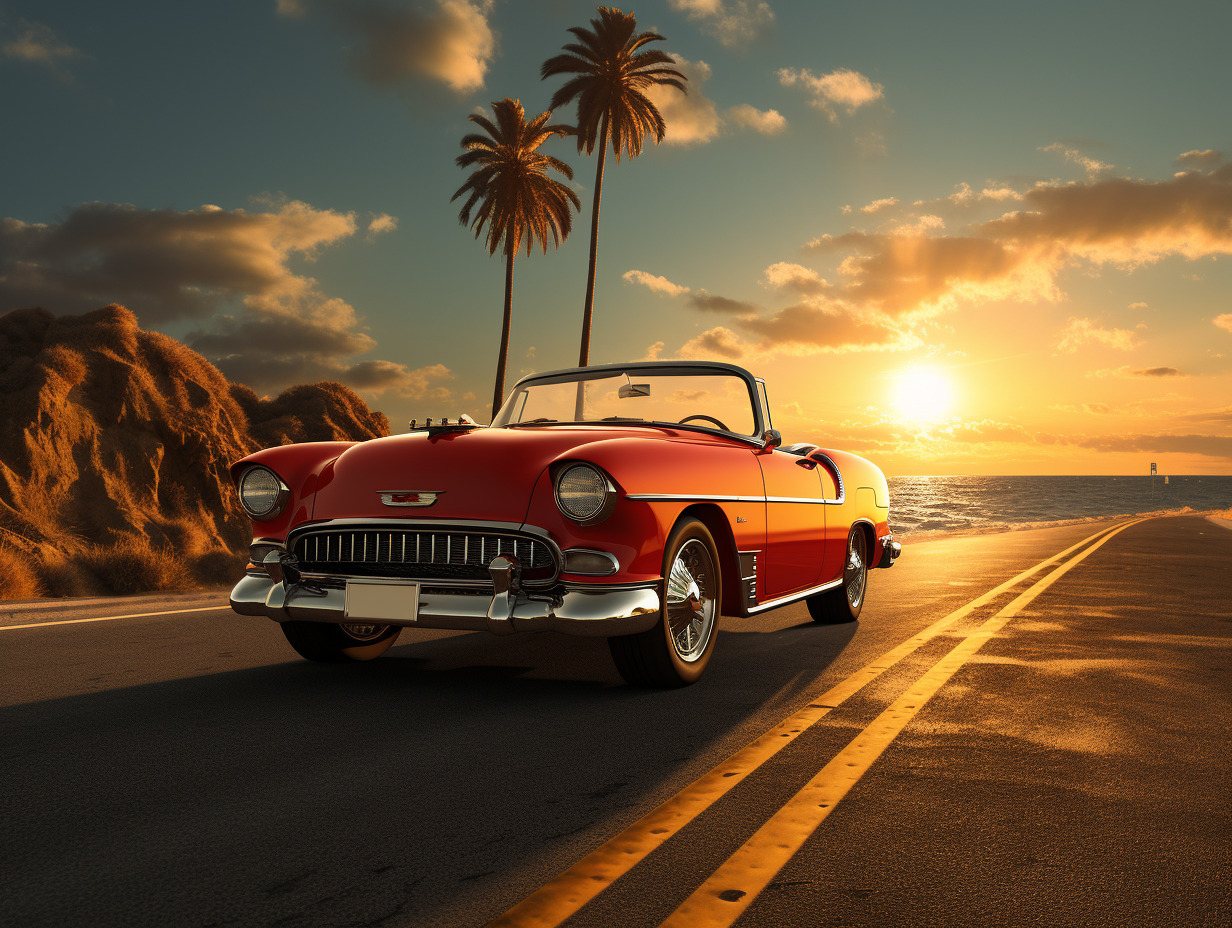
Environmental impact and cost of ownership: balancing old and new technologies
The question of the environmental impact of vehicles is part of an ongoing debate where automotive technologies are scrutinized. The CO2 emissions from classic cars, often equipped with gasoline or diesel engines, weigh down their ecological balance. Their high energy consumption raises concerns about their place in a world where reducing carbon footprints has become a priority. In contrast, modern cars, by embracing plug-in hybrids or fully electric options, offer a greener response, with drastically reduced emissions and a mitigated environmental footprint.
The cost of ownership is also evaluated through eco-responsible criteria. The recycling of cars presents itself as a decisive element, particularly for recent models. Manufacturers strive to design vehicles whose components are recyclable or made from recycled materials, thus contributing to the circular economy. Models like the Renault Zoe or the Peugeot e-208 embody this trend. This ecological dimension can influence the purchasing guide for consumers concerned about their environmental impact.
In the collector’s camp, another type of preservation is taking place. The preservation of vintage cars is part of a logic of heritage and passion. These enthusiasts contribute, in their own way, to a form of circular economy by keeping alive vehicles that would otherwise be destined for the scrap heap. While these practices do not solve the issue of CO2 emissions, they do help limit the production of new vehicles and highlight the history and automotive design that marked their era.