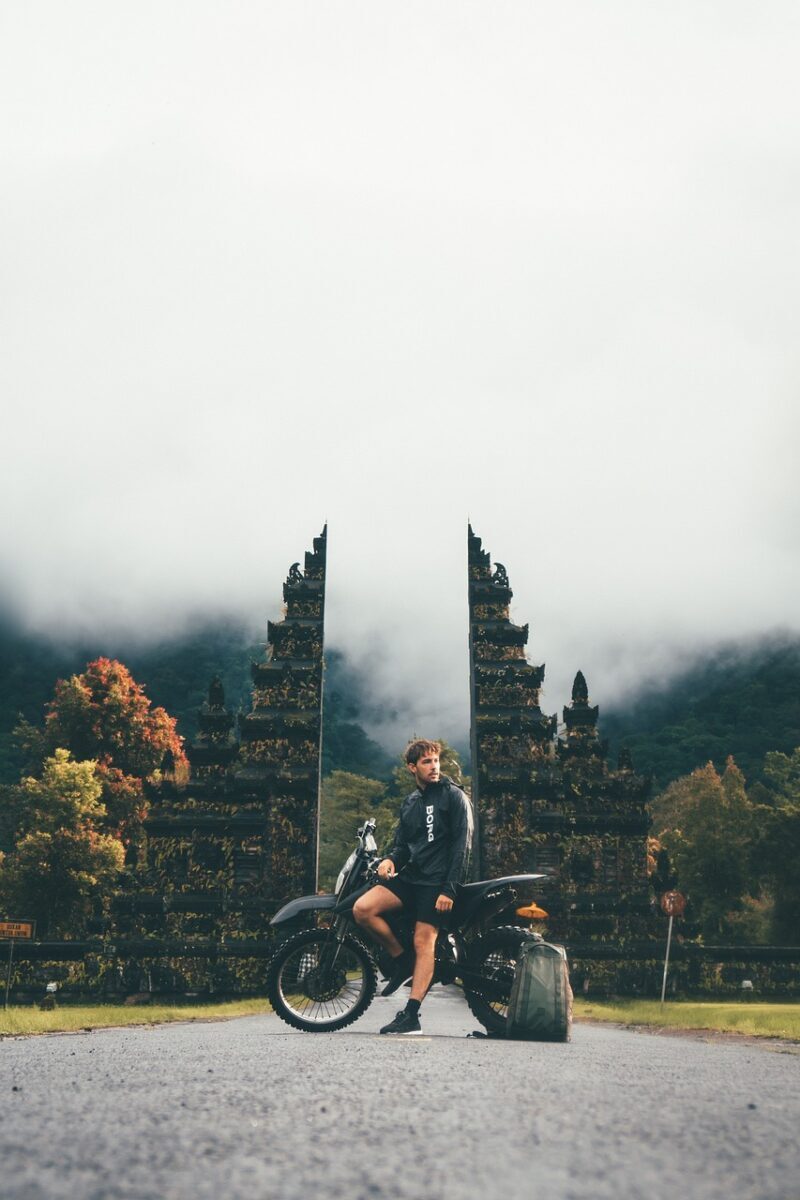
A dream destination for travelers in search of breathtaking landscapes, paradise beaches, and rich culture, Bali attracts millions of visitors each year. But to fully enjoy everything this beautiful island has to offer, it is crucial to choose the best time to visit. Between dry and wet seasons, cultural festivals, and tourist crowds, several factors must be considered to plan an unforgettable stay.
The Dry Season: The Ideal Time to Visit Bali
The dry season, which runs from May to October, is often considered the ideal time to visit Bali. During these months, the weather conditions are perfect for outdoor activities.
- Pleasant temperatures: Temperatures range between 24°C and 30°C, offering a warm but bearable climate.
- Minimal rainfall: Rain is rare, which is favorable for excursions and water activities.
- Diverse activities: Surfing, hiking, diving, and cultural visits are on the agenda without fearing bad weather.
Visiting Bali during this period allows you to enjoy the fine sandy beaches and crystal-clear waters of the island without climatic inconveniences.
The Wet Season: A Different Experience
From November to April, Bali enters its rainy season. This period also has advantages, although they may not be immediately obvious.
Showers are often short but intense, mainly in the late afternoon or at night, often giving way to beautiful clearings. The landscapes become lush, and the terraced rice fields are at their peak in terms of beauty.
- Fewer tourists: The wet season is less crowded, allowing you to visit tourist sites without the usual crowds.
- Reduced prices: Hotel and activity rates are generally lower, making the stay more economical.
- Unique atmosphere: The rain adds a mystical touch to the temples and natural landscapes.
Local Festivals and Events
Choosing the timing of your trip based on cultural events can enrich the experience. Bali is known for its numerous festivals and religious ceremonies.
The Nyepi, or Day of Silence, is celebrated in March. It is a day of meditation and reflection when the entire island comes to a halt. The streets are deserted, shops are closed, and even the airport is suspended. This unique day offers a different perspective on Balinese culture.
The Galungan is another important festival that lasts ten days, celebrating the victory of good over evil. During this period, Bali comes alive with processions, traditional dances, and religious ceremonies.
Planning your trip around these events allows you to witness authentic celebrations and gain a deeper understanding of Balinese spirituality.
The Different Regions of Bali and Their Climate
Bali presents climatic diversity depending on the regions. Understanding these variations can help choose the best time to visit specific areas of the island.
The south of Bali, including popular spots like Kuta, Seminyak, and Ubud, benefits from a more stable climate, with consistent temperatures throughout the year. The dry season remains the most pleasant for these regions.
The north and east of Bali, less frequented by tourists, have a slightly different climate. These parts of the island receive more rainfall, even during the dry season. As a result, they are greener and offer more lush landscapes.
To explore these regions, it is advisable to travel at the end of the rainy season, in March or April, when the vegetation is at its peak and the rivers and waterfalls are abundant.
Ultimately, choosing the best time to go to Bali depends on what you are looking for. Whether to avoid crowds, benefit from advantageous rates, or discover local culture, each season has its charms and particularities. Before booking, it may be wise to consult a Bali travel agency for personalized advice and to plan a tailor-made stay. Whatever period you choose, Bali promises an unforgettable experience, rich in discoveries and emotions.