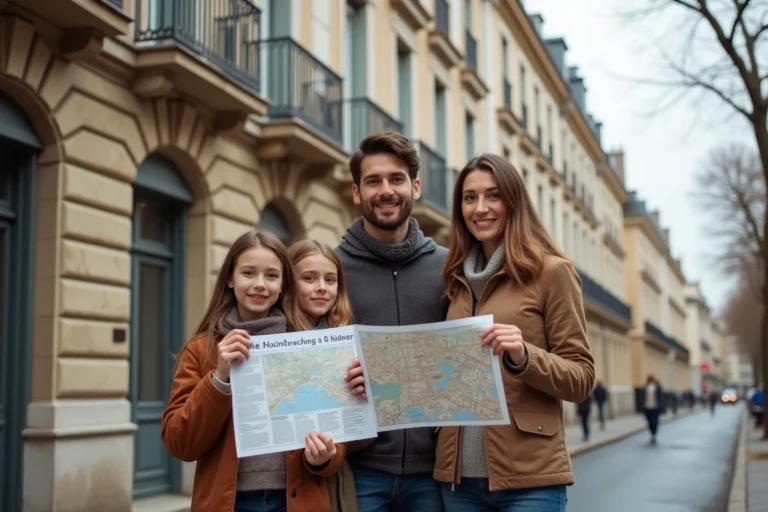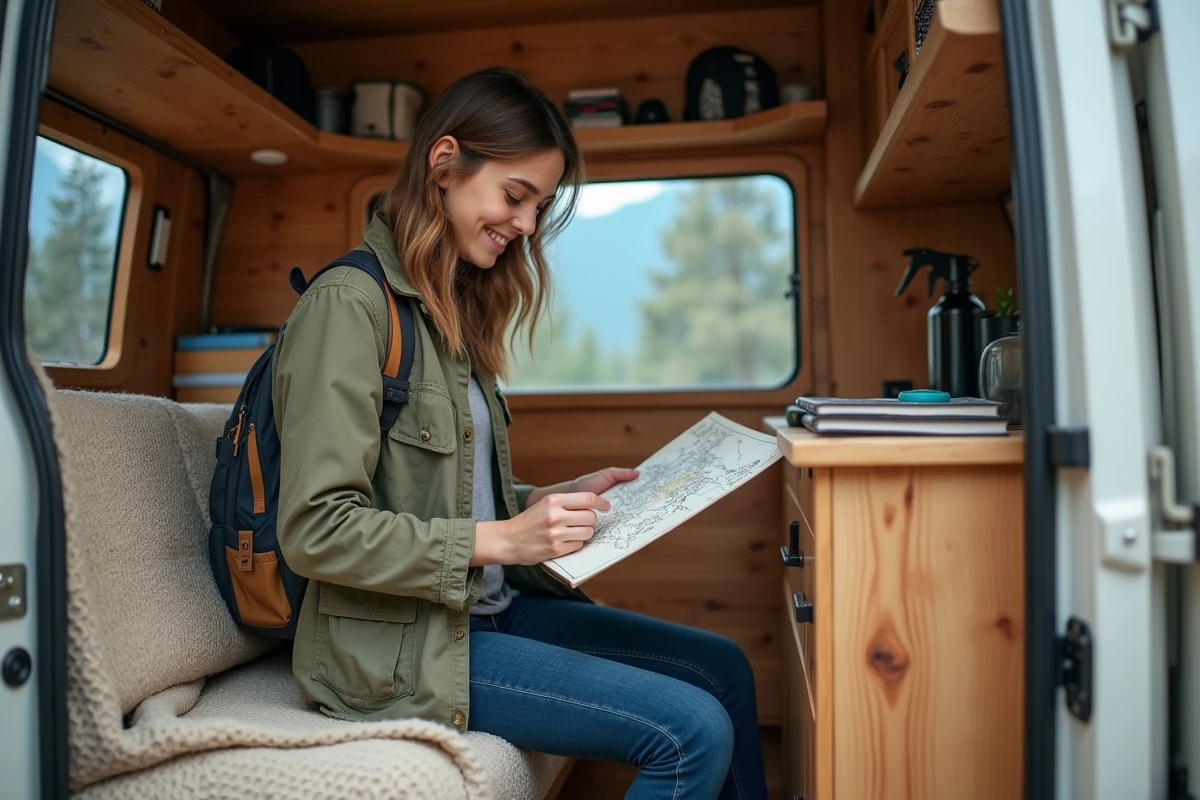
Slow travel is gaining ground despite the persistent appeal of express routes and marked circuits. Under the influence of ecological awareness, some destinations are deliberately slowing down mass tourism by imposing quotas or limiting access during certain times of the year.
Collaborative accommodation platforms are showing continuous growth, even as regulations tighten in several cities. Travelers who choose these alternatives juggle constraints while discovering forms of exchange and mobility that escape standard models and sustainably transform the travel experience.
Why choosing to travel differently changes the game
Opting for another way to explore the world means choosing a certain clarity in the face of mass tourism and the uniformity that threatens so many destinations. When crowds accumulate, sites become exhausted, and the environment buckles under pressure, alternative travel marks a break: slowing down, immersing oneself, prioritizing authentic experience over performance. Taking the time, walking, hopping on a regional train, choosing a local bike or bus, is about restoring true value to the journey and lightening one’s carbon footprint.
Responsible travel is not just about modes of transport: it is a mindset. Being mindful of one’s impact, engaging in an ethical approach, meeting locals, respecting the places traversed, supporting local initiatives. Micro-adventures become an obvious choice: setting off without crossing the planet, exploring France or the continent on a small scale, prioritizing the local economy, rediscovering the taste of authenticity and sharing. Far from mere postcard consumption, these new practices give meaning back to travel.
Turning to alternative travel is choosing the margin over the herd, rejecting the standardization of experiences, and regaining the freedom to invent one’s itinerary. E-Nomad’s offers fit into this dynamic: they invite discovery on a human scale, focusing on creativity, adaptation, and curiosity. Traveling differently means embracing slowness, welcoming the unexpected, daring to have an adventure at your doorstep, and prioritizing the richness of connections over the number of checked-off destinations.
What practices to step off the beaten path and travel consciously?
Changing perspective starts with the choice of transportation. Alternative transport modes take over: night trains, bicycles, local buses, walking, or even sailing for the more daring. These solutions encourage slowing down, foster immersion, and allow for surprise. By stepping off the main routes, favoring small train stations, forgotten ports, and secondary roads, one discovers a Europe, a France, a Southeast Asia far from the crowds, more intimate, more real.
But the itinerary is not everything. The choice of alternative accommodation complements the approach: nights with locals, house exchanges, house-sitting, wwoofing, or committed hostels. These options prioritize exchange, meeting, and understanding the territory. A shared meal, a conversation with hosts, the simplicity of a dormitory: all opportunities to forge connections and immerse oneself in a culture beyond appearances.
Participating in local life also means getting involved. Volunteering, engaged hikes, spiritual retreats, or pilgrimages: these experiences immerse the traveler in the daily life of the places visited. Others choose creation: photography, travel journals, podcasts. Regardless of the form, the thread remains the same: slow down, learn, open up, question one’s choices, prioritize sobriety and ethics, and above all, venture off the beaten path to restore meaning and depth to travel.
Stories, tips, and concrete tools for a successful nomadic adventure
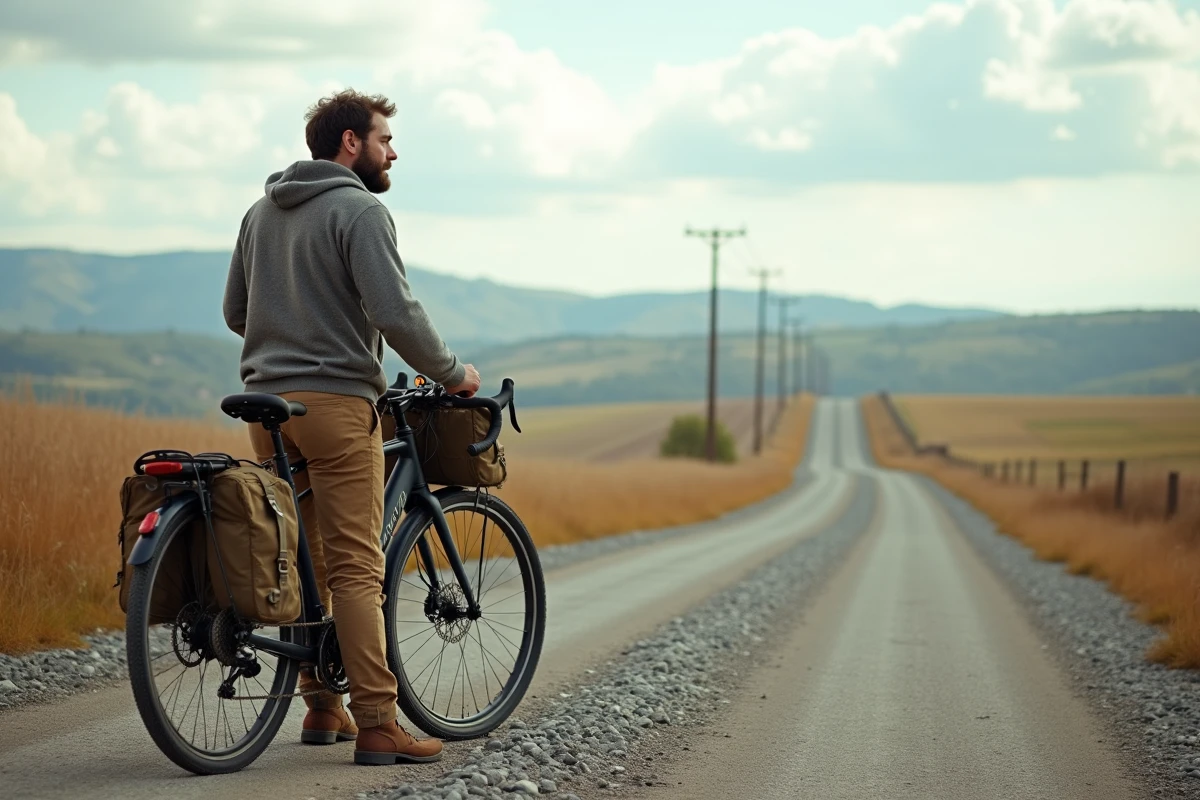
Alternative travel is a layered experience of unique stories. Maria Camila, creator of the blog Aventure Autrement, travels through France and South America in search of immersion. Inès, who roams the roads of Europe, shares every step of her life as a nomadic adventurer: nights with locals, bike crossings, unexpected encounters. In their footsteps, we discover another face of travel, far from the crowds and clichés.
To bring a project to life, certain tools make a real difference. Volunteering platforms like Workaway, Worldpackers, or Projects Abroad open the door to exchange and local engagement. On the accommodation side, house-sitting is organized via TrustedHousesitters, Nomador, or MindMyHouse: an opportunity to live with locals and immerse oneself in daily life. Slow travel enthusiasts can rely on the Warm Showers network for a warm welcome during bike trips, and France Vélo Tourisme for tailored routes and practical advice.
Here are some resources to structure a low-carbon journey or step off the beaten path:
- To organize a low-carbon journey: Interrail and The Trainline facilitate train bookings across Europe.
- To discover lesser-known territories: the Tao Guides and the podcast Les Baladeurs provide keys to orient towards authentic experiences.
From the Balkans to Laos, from the paths of Normandy to forgotten villages, each territory holds stories to live, learn, and share. These narratives weave a new fabric: that of a slower, freer journey, rooted in ethics and connection. At the end of the road, there is that rare sensation: having truly traversed a place, and not just an itinerary.